

Tel: 0512-66958483
Email: engforlife-mkt@efl-tech.com

“结构决定性质,性质反映结构”,有关水凝胶的课题,通常需要从微观的化学结构角度研究和解释其宏观的材料学性质(如机械和生物性能等)。而洞察材料的化学结构依赖于各种表征手段,这对于非相关专业的研究人员有较高的门槛。论文中各种抽象的谱图往往让人一头雾水,常出现照葫芦画瓢,不知然也不知其所以然的情况。
本期,EFL带大家了解水凝胶常见化学结构表征方法(核磁、红外、紫外、XRD和GPC等)的简要原理及用途,让非相关专业研究人员能更好地读懂这些测试结果。
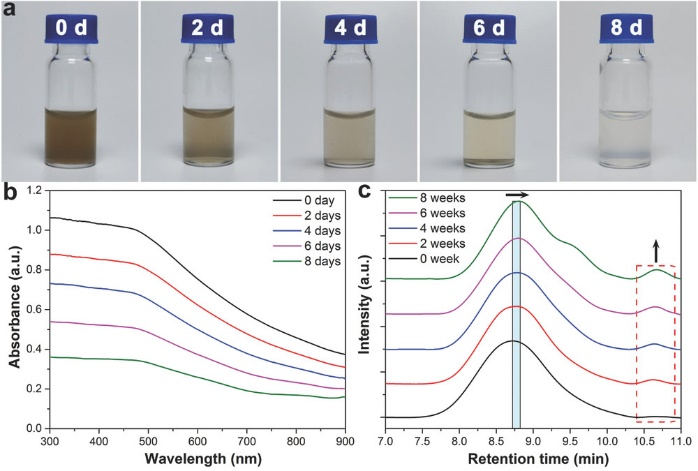
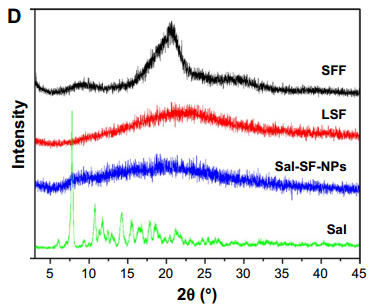
参考资料:
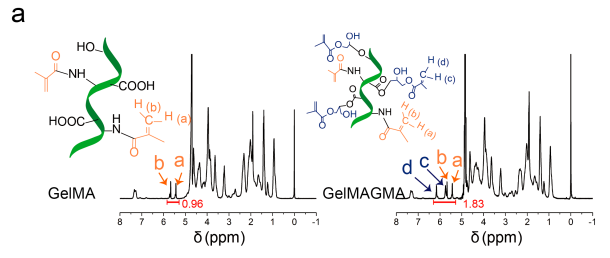
[1] Li X, Zhang J, Kawazoe N, et al. Fabrication of highly crosslinked gelatin hydrogel and its influence on chondrocyte proliferation and phenotype[J]. Polymers, 2017, 9(8): 309.
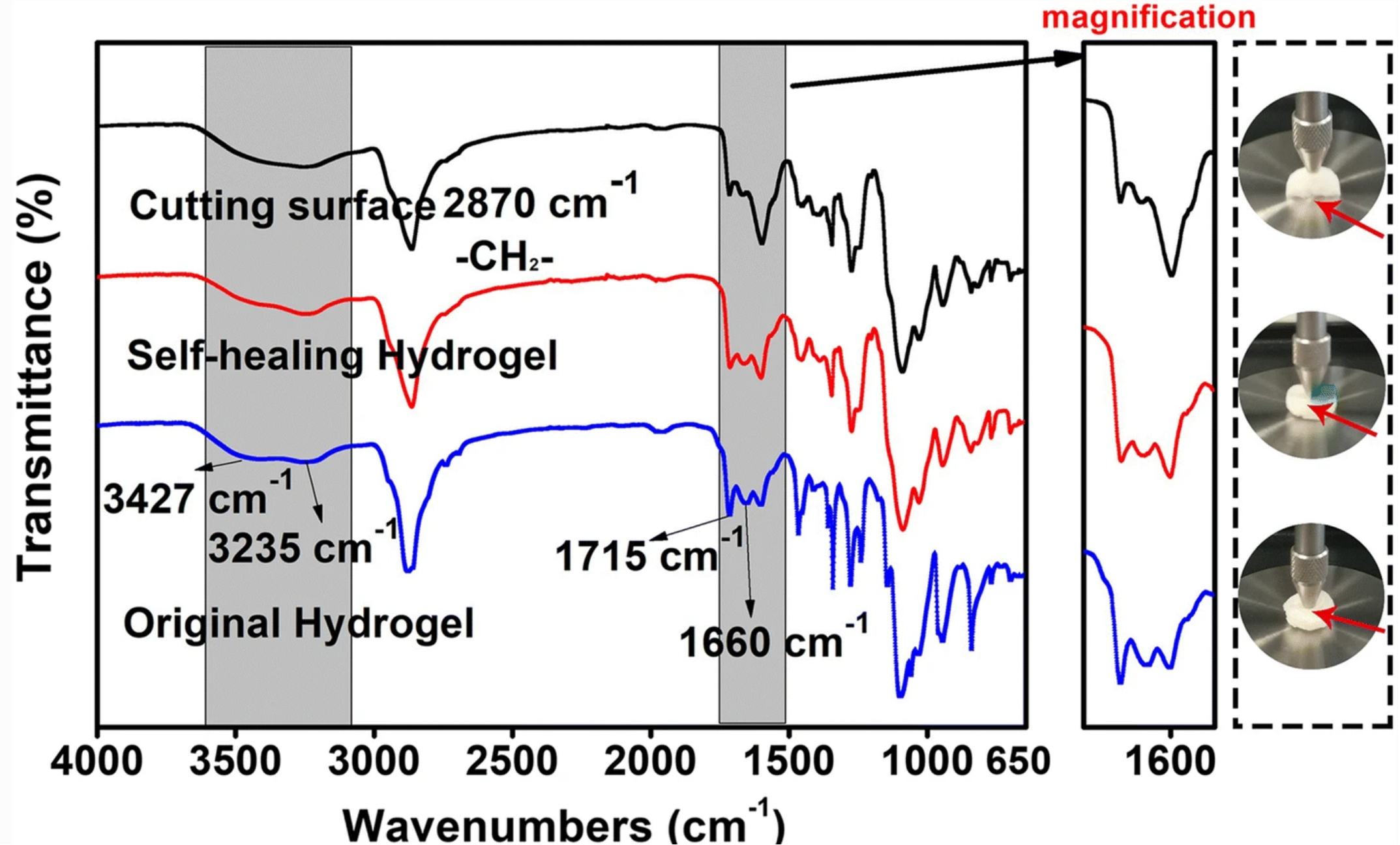
[2] Qiao L, Liu C, Liu C, et al. Self-healing alginate hydrogel based on dynamic acylhydrazone and multiple hydrogen bonds[J]. Journal of Materials Science, 2019, 54(11): 8814-8828.
[3] Cao Y, Xue B, Gu J, et al. Hydrogel tapes for fault-tolerant strong wet adhesion[J]. Nature Communications, 2021, 12(1): 1-12.
[4] Jiang Y, Zhang X, Zhang W, et al. Infant Skin Friendly Adhesive Hydrogel Patch Activated at Body Temperature for Bioelectronics Securing and Diabetic Wound Healing [J]. ACS Nano, 2022. https://doi.org/10.1021/acsnano.2c00662
[5] Shao J, Ruan C, Xie H, et al. Black-Phosphorus-Incorporated Hydrogel as a Sprayable and Biodegradable Photothermal Platform for Postsurgical Treatment of Cancer[J]. Advanced Science, 2018, 5(5):1700848.
[6] Wu P, Liu Q, Wang Q, et al. Novel silk fibroin nanoparticles incorporated silk fibroin hydrogel for inhibition of cancer stem cells and tumor growth[J]. International Journal of Nanomedicine, 2018, Volume 13:5405-5418.

 首页
首页 试剂/耗材
试剂/耗材 电话咨询
电话咨询


